Rethinking My Approach to Spanish Culture – Jacob Kenyon

Catalan Independence Stretches Further Than I Imagined

When I wrote my first blog on the Catalan independence movement, I didn’t realize the true scope of how large the movement was. I thought that it was a smaller group of people within Catalonia that were simply disenchanted with the Spanish government and wanted to be free of an entity that they feel didn’t have their best interests at heart.

What I saw in Barcelona however, was a sweeping movement from more people than I had ever originally expected. It was difficult to walk more than a few meters without seeing the yellow ribbon that represents the independence movement in a new location. It wasn’t until our walking tour of the Gothic quarter in Barcelona, where we encountered a protest calling for the release of political prisoners, that I realized just how much the people of Catalonia wanted independence. It wasn’t a small group of people like I had originally thought; but instead a very vocal majority.

Image of Protesters Hanging Yellow Ribbons Around Catalonia

Seeing firsthand the effort that the people of Catalonia have to to become autonomous has made me much more sympathetic to their cause. It has also made me rethink some of my opinions on other independence movements going on throughout the world and ones that have happened in the past, like Scotland and Hong Kong.

Surprised by Spanish Businesses

Based off of what we learned in the Culture Map and Hofstede’s dimensions, I originally thought that the business culture in Spain would be much more relaxed than it is here in the US. What I found once I was there though was that many of the companies we visited, especially the larger ones, operated very much like their American counterparts. The question of siestas was brought up at quite a few of our site visits and the answer was generally the same at each place. A long lunch was the closest thing to a siesta that any of the businesses had. There were certainly many differences between Spanish and American businesses as well, like how flexible time and scheduling were, but the differences were not as vast as I had expected.

Lasting Impressions

Throughout my time in Spain I was intrigued by many different aspects of Spanish culture. Everything felt much more personal than it did in the US, and I would be very interested in going back to Spain and other places around the world to learn even more about their cultures.

It was also interesting to see how well the company culture at HP’s Barcelona site aligned with the culture at their US offices. When you stepped into their facilities and talked with their employees, it felt like you could have been at any of their offices throughout the world. I was extremely impressed with HP’s ability to create a cohesive company culture worldwide.

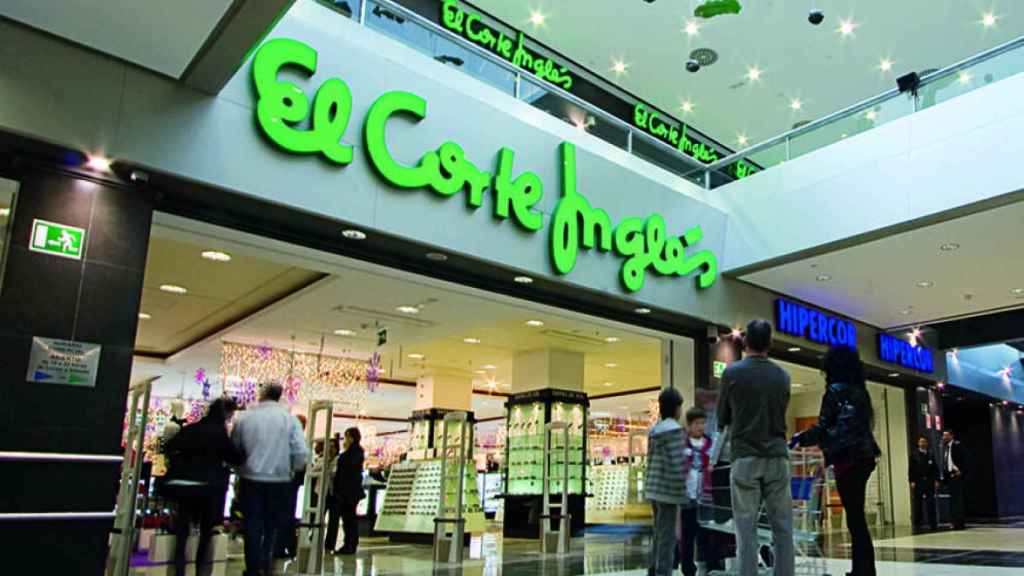
Image of HP’s Barcelona Offices

Uncomfortable Situations Show the Cultural Differences Between the U.S. and Spain – Jacob Kenyon

Power Structure at El Corte Ingles

Image of El Corte Ingles

When we made our visit to El Corte Ingles, one of the first things that I noticed during the site visit was that our main presenter’s English wasn’t as a good as her counterpart’s. Even though she did most of the talking throughout the presentation, she would often refer back to the other presenter to help her with a few English words that she didn’t know. Although the presentation went well overall and was still interesting to listen too, it would have been much easier to follow if the two presenters roles had been flipped.

In the U.S., a company probably would have had whoever spoke the best Spanish be the main speaker for the presentation, regardless of how high up they were in the company. The U.S. tends to have a lower power structure throughout most companies than Spanish companies have, so they wouldn’t have a problem with someone lower in the company taking that lead role as long as they can do it effectively.

Individualism vs Collectivism

One of the best examples I found of how the U.S. and Spain differ on Hofstede’s individualism dimension was when I went to Placa de Catalunya in Barcelona with a few other people. While we were there a woman came up to us and asked if she could ask for our opinions on some relationship trouble she was having. At first we thought that she might be working some pickpockets in the area, distracting people so they are then unaware of their belongings being stolen.

We thought this because in the U.S. no one would be that open and personal with a couple of strangers sitting in a plaza, so in our minds it had to be some sort of distraction. However, at the end of the conversation we all still had our belongings, and it really did seem like she was just looking for other people’s perspectives on a very personal matter.

Most people in the U.S. wouldn’t have been comfortable sharing such a personal situation with strangers (and it was certainly uncomfortable for us as the strangers), but as each country’s position on the individualism dimension would indicate, people in Spain are much more open and personal with other people than most people are in the U.S.

Making the Most Out of Your Time In Spain – Jacob Kenyon

Out of everything that I was able to see and do in Spain, my independent day trips on the weekends were by far my favorite parts, and I want to give some recommendations to future students on what they should see in each location if they decide to go there. The two trips that I went on in Spain, and which I highly recommend to other students, were to Sevilla and Segovia.

Best Places to Visit in Sevilla

Royal Alcazar of Sevilla

If you are a fan of Game of Thrones, then the Royal Alcazar of Sevilla should be at the very top of your to-do list in Spain. It was used to shoot all of the scenes that happened in the Water Gardens of Dorne in the show. It’s an incredibly unique and beautiful location and is well worth the trip. Admission for students is also only 4 euros for an incredible experience.

Plaza de España

Another great location in Sevilla is the Plaza de España, which is only a short walk away from the Royal Alcazar. It’s a beautiful plaza the is surrounded by a crescent shaped building and a small moat where you can take a gondola around in. There is also a fountain in the middle of the plaza that is perfect to take pictures by.

Best Places is Segovia

Alcazar of Segovia

The Alcazar of Segovia is a fairy tale castle. From its location on a steep cliff to its picturesque towers, every detail about it is something you would expect to see in a castle in a movie or TV show. It has a lot of great views from on top of its walls and a lot of unique history behind it as well.

Segovia’s Aqueduct

Segovia’s aqueduct might just be the most unique and interesting part of the city. It was constructed around the 1st or 2nd centuries by the Romans who occupied Spain at the time. It is the most iconic structure in the city, and it is also pretty incredible to walk next to something that was made almost 2000 years ago and is still in near perfect condition.

If you are planning on going to either Sevilla or Segovia, I highly recommend checking out these locations. They well worth the trips to see them, and will definitely be a great addition to your time in Spain.

A Millennia of Cultural History – Jacob Kenyon

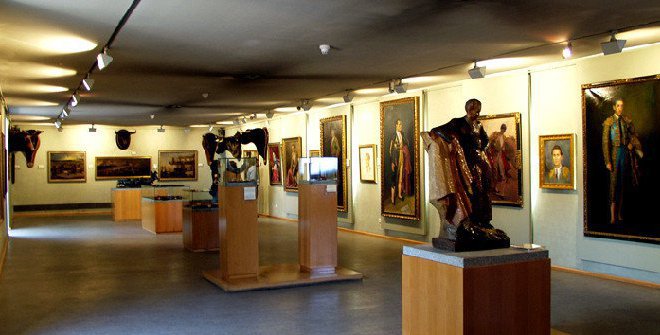
Madrid’s Bullfighting Museum is one of the best places in Spain to learn more about bullfighting’s long and unique history. It is located in the Plaza de Toros de Las Ventas, and is attached to the Las Ventas Bullfighting Ring. It showcases bullfighting using artwork and artifacts from throughout Spain’s history.

Image of the Museum of Bullfighting

A Key Piece of Spain’s Culture

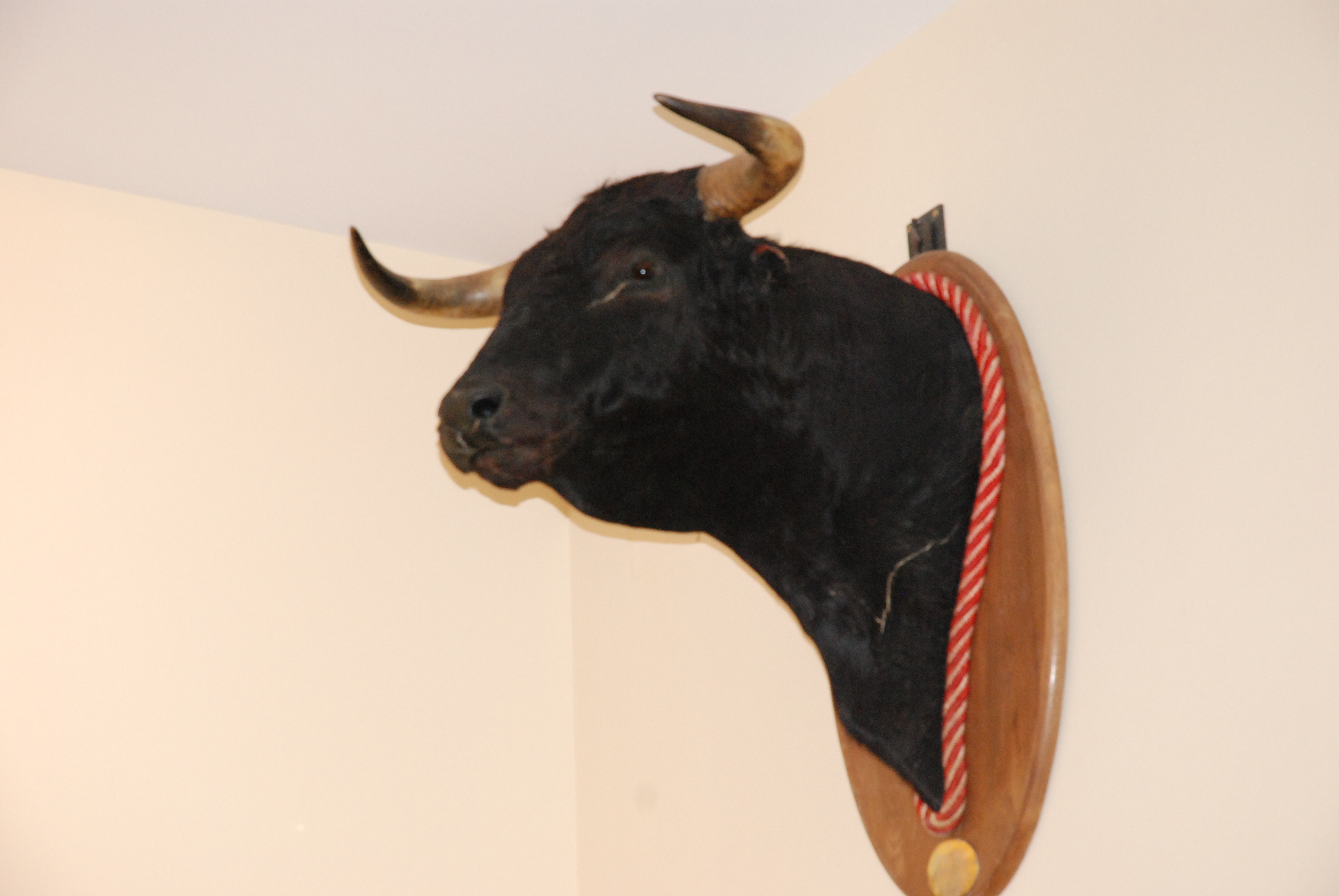
The Bullfighting Museum includes much of what you would expect to find in a museum, artwork depicting bullfights, as well as paintings of famous matadors from throughout the centuries. There are three main parts to the museum: the structure, which shows many works of art highlighting bullfighters and bulls, suits worn by fighters in the bullring and the meaning behind the designs, and a room that showcases 6 heads of bulls who played significant roles in bullfighting’s history along with other artifacts from famous matadors.

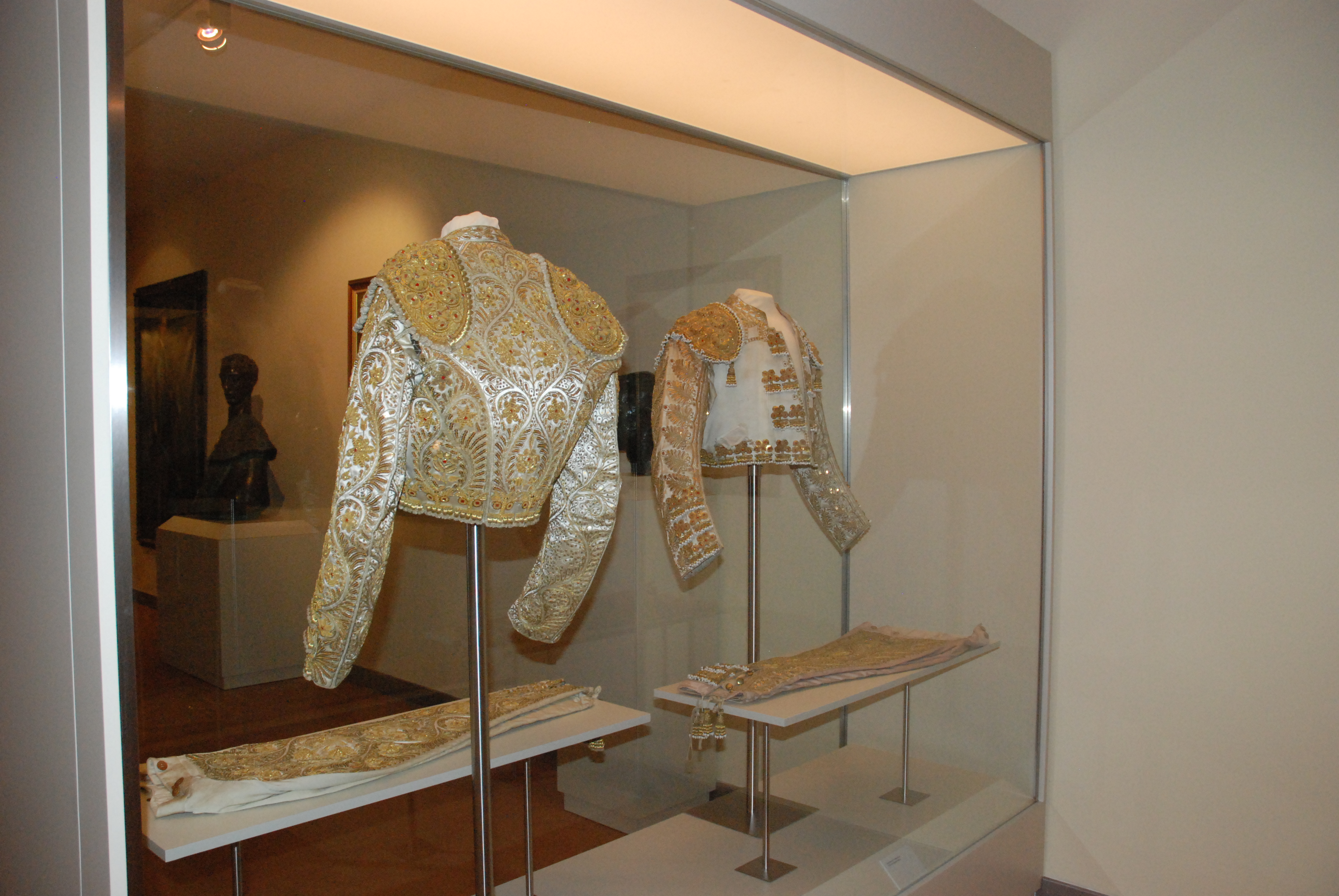
Showing Bullfighting’s History Through Costumes

The museum displays many different costumes and traditional forms of attire that matadors wear while they are in the bullfighting ring. One of the capes that they wear and use during the first stage of the fight is pictured above. The museum has specific pieces of attire worn by famous matadors throughout the years, including a vest worn by José Rodríguez “Pepete” when he was injured in a fight.

The attire featured throughout the museum shows the amount of detail and effort that goes into each piece. Many vests and hats are embroidered with gold and silk. These garments honor bullfighting’s rich history as an event that was once reserved exclusively for the wealthy and powerful.

Stepping Inside the Ring

The museum also features an immersive room that lets visitors experience what it is like to be in the ring during a fight. They have eight projectors in the room along with advanced technology to provide an immersive experience that shows you the inside of the ring along with other areas that are significant to bullfighting’s history.

Visiting the Museum

The Bullfighting Museum is located at the Plaza de Toros de Las Ventas, which is just a couple of blocks from our hotel in Madrid. The museum is open from 10 am to 6 pm, and students can get into the museum for €11.90 and can receive a private tour for an additional €12.oo.

The Greatest Work of Spain’s Greatest Architect: La Sagrada Família – Jacob Kenyon

La Sagrada Familia is one of the most recognizable landmarks not only in Barcelona, but in all of Spain as well. Construction on the basilica began in 1882, and in the 100+ years of its construction it has become the largest tourist attraction in Barcelona and attracts over 3 million visitor each year. Visits to the basilica, along with donations, are what fund the continuing construction of La Sagrada Familia.

The Beginnings of La Sagrada Família

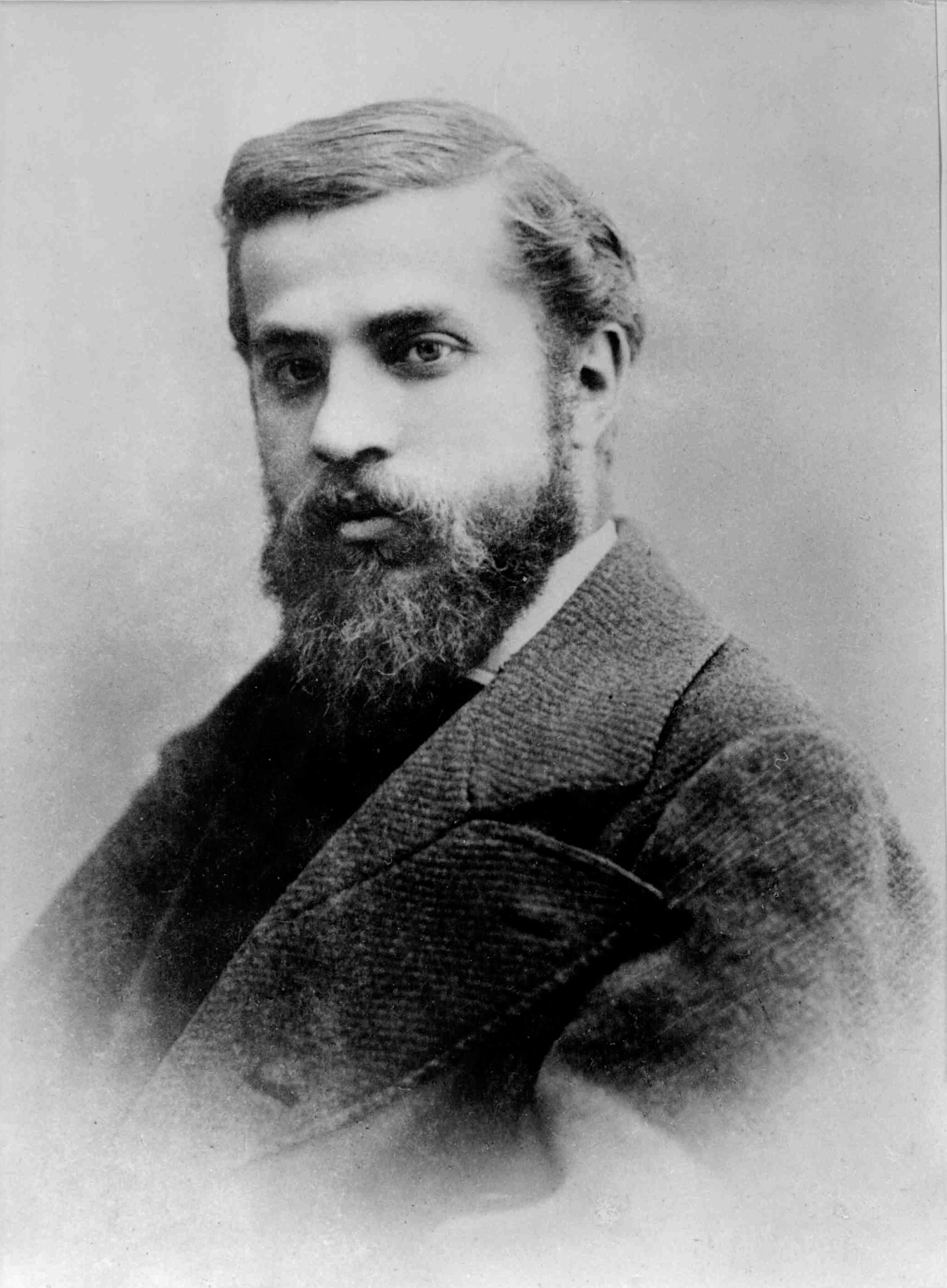
Antoni Gaudí, the mastermind behind La Sagrada Família, is one of the most well known architects in the world, with numerous works throughout Barcelona and Spain. He started to work on La Sagrada Família in 1883, one year after the start of the project, and quickly became the director and lead architect in 1884.

After building the crypt for the cathedral, Gaudí scrapped the orginal design and began working on the much larger design that we now see today. He continued to work on Sagrada Família and other projects until 1914, when he began to focus solely on La Sagrada Família.

Gaudí tragically passed away after being hit by a tram in 1926, and only lived to see one of the eighteen spires be built. He did expect construction to continue on long after he passed away, and completed the architectural plans before he passed so that his work could continue. Gaudí was buried in the crypts that he designed below Sagrada Família.

Construction continued after Gaudí’s death despite setbacks along the way, and it is expected to be completed in 2026 on the 100th anniversary of his death.

The Meaning Behind the Architecture

La Sagrada Familia is dedicated to Christianity’s Holy Family, which include Jesus, his twelve Apostles, the four Evangelists, and the Virgin Mary. Each of these 18 individuals have a spire on the basilica dedicated to them, with Jesus Christ’s spire reaching 172 meters once it is complete. There are three facades on the basilica which show three events within Jesus’ life: Facade of Birth, Facade of Passion, and the Facade of Bliss.

The Facade of Birth is dedicated to the birth of Jesus and is themed around nature and its constant change. The Facade of Passion shows the death and resurrection of Jesus. There are many biblical figures featured on this facade, and much of the architecture looks like bones to symbolize Jesus’ death. Finally, the Facade of Bliss represents the “eternal glory of Christ”. It contains seven doors and depicts Eternal Hell, the Last Judgement, and bliss in Heaven.

Questions

  1. How much did Gaudí change the original design of La Sagrada Família, and how long did it take him to create the final design?
  2. What was the largest donation that La Sagrada Familia has ever seen?
  3. Did the Pope consecrating the church have any effect on the visitors and donations that you received?
  4. What have been the biggest setbacks to construction throughout the years?
  5. How much has it cost to build La Sagrada Familia so far?

Jacob Kenyon – Catalan Independence Movement Continues to be a Divisive Topic in Spain

The push for independence in Spain’s Catalonia region has been a divisive topic ever since a referendum for it was voted on in late 2017. From the beginning the Spanish government called the referendum illegal, and even went so far as to use police to try to prevent a vote from happening. As a result of that vote, 12 Catalan activists and politicians are on trial for crimes related to the illegal referendum.

Catalan Independence Movement Draws Comparisons to UK’s Brexit From Spain’s Prime Minister

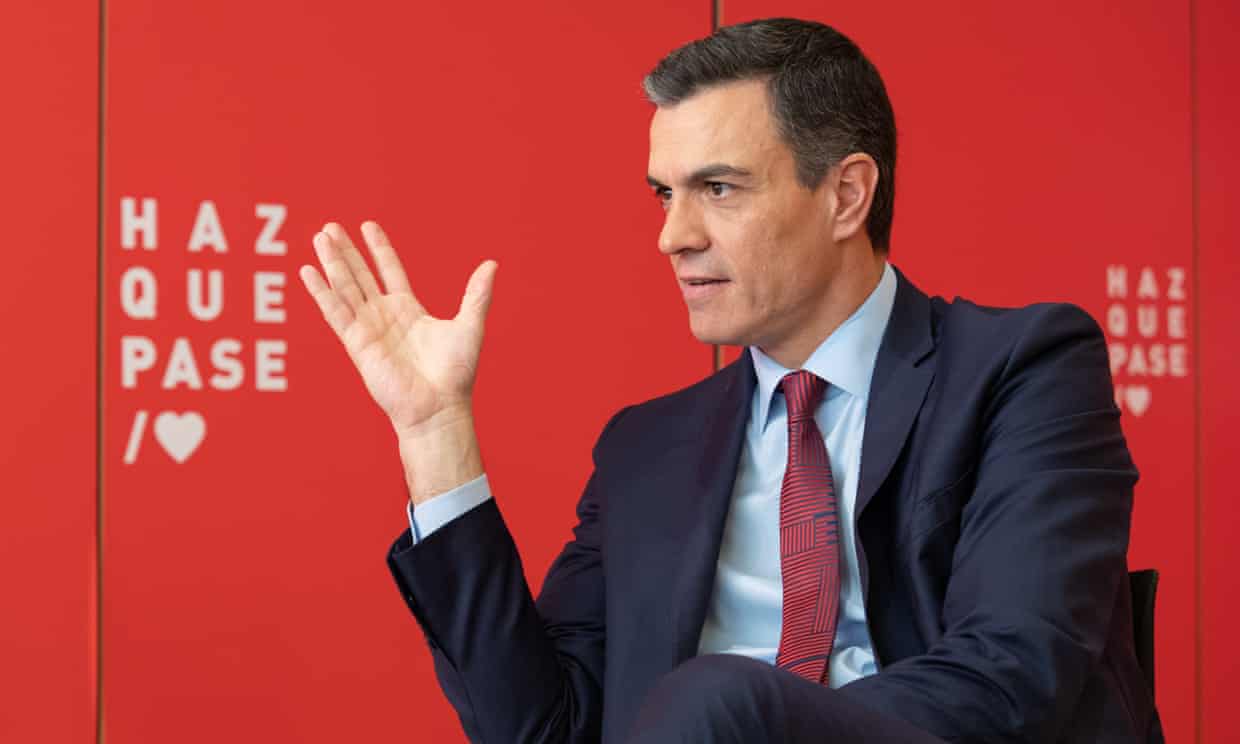
Spanish Prime Minister Pedro Sánchez discussing the Catalan separatist movement.

Spain’s Prime Minister Pedro Sánchez recently compared Brexit to Spain’s own Catalan separatist movement, stating…

“…engaging in campaigns or political projects based on lies eventually leads societies down a blind alley”.

Pedro Sánchez

One of the comparisons that Sánchez made states that both the UK and Catalonia believing that they are being take advantage of by the EU and Spain respectively. They feel that they give far more than they get in return and that they would be better off without the burden of the EU and Spain. He believes that neither Brexit nor Catalonia’s secession should have been presented as a binary issue, to either stay or leave, and instead both should have worked to address their respective concerns, and then leave if they were ignored or improvements weren’t made.

Activists March in Madrid

In mid March, supports of the Catalan secession took to the streets of Madrid to continue to fight for Catalonia’s independence, as well as to protest the trials of 12 separatist leaders. Many supporters of Catalan independence see the trials as nothing more than political theater; the Spanish government’s attempt at discouraging any further attempts at independence. Coach buses brought thousands of protesters from Catalonia and other parts of Spain to Madrid to take part in the event, which was organized by the Catalan National Assembly and Òmnium Cultural. The slogan for the event was “Self-determination is not a crime. Democracy is about deciding.” Although there was a great deal of security at the event, there were very few incidents, and it was a peaceful demonstration of Catalonia’s wish for independence.